
Introduction
The iPhone 16, with its innovative features and sleek design, is redefining user experience. As preferences evolve, there’s a resurgence of interest in corded headphones. Despite the rise of wireless technology, corded headphones offer unparalleled sound quality and reliability, making them an optimal choice for iPhone 16 users. In this guide, we delve into why these headphones remain a viable option, especially for those who prioritize high-fidelity audio and consistent performance.
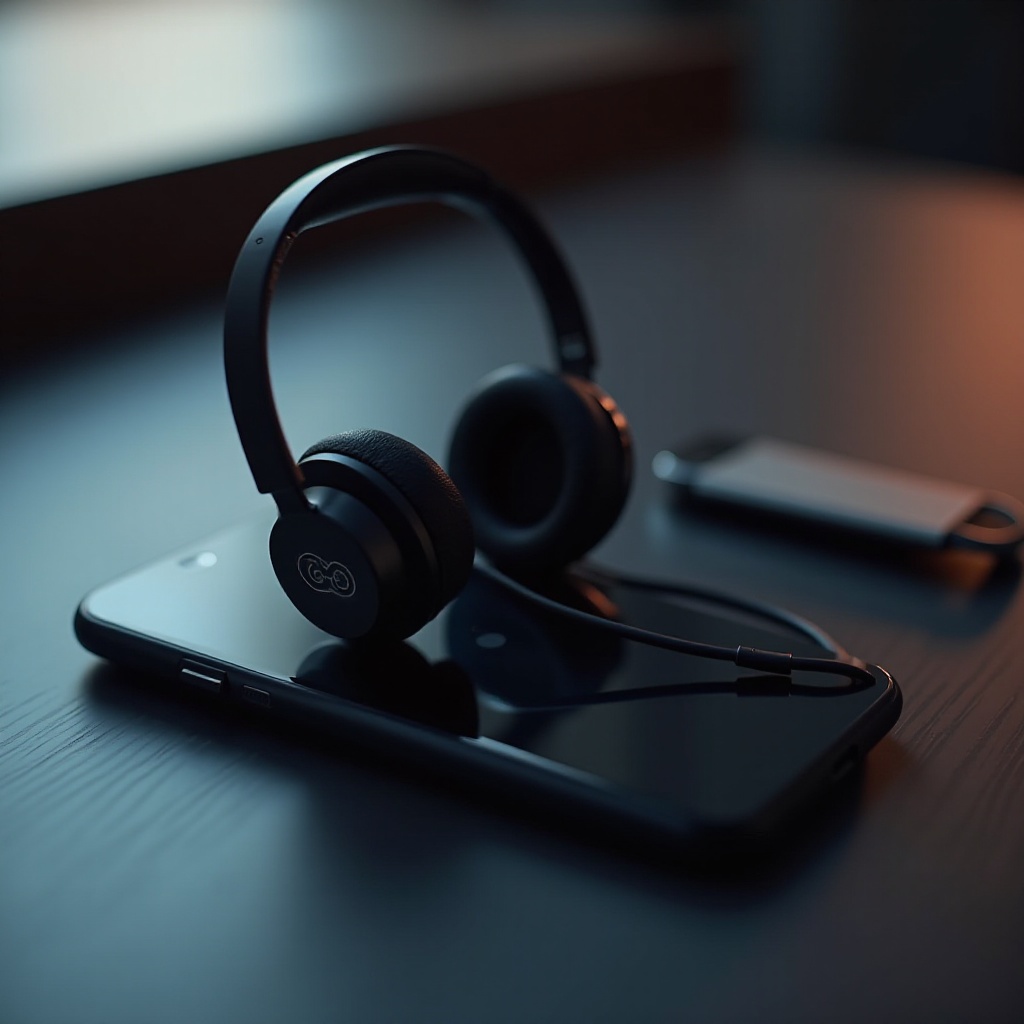
Why Choose Corded Headphones for Your iPhone 16?
Corded headphones offer several significant advantages over their wireless counterparts, particularly in terms of sound and connectivity:
-
Enhanced Sound Quality: Corded headphones are known for their superior audio clarity. They maintain the full depth and richness of your music since they do not rely on compression, unlike many wireless options. This makes them highly appealing to audiophiles and casual listeners who cherish sound fidelity.
-
Reliable Connection and Performance: With a direct connection to the device, corded headphones provide a stable and consistent performance. There is no risk of connectivity issues or latency, making them particularly beneficial for gamers and anyone who streams video content.
-
Cost-Effectiveness Compared to Wireless Options: Generally, corded headphones are more budget-friendly, offering excellent sound quality without the premium price tag of wireless devices. This affordability makes them accessible to a broader audience, ensuring everyone can enjoy high-quality audio.
These benefits highlight why corded headphones remain a popular choice. To understand how they integrate with modern technology, let’s examine the iPhone 16’s audio connectivity options.
Understanding iPhone 16’s Audio Connectivity
The iPhone 16 incorporates advanced audio connectivity features, including the popular lightning connector:
-
Overview of Lightning Connector: Designed for efficiency and quality, the iPhone 16’s lightning connector simplifies audio connections. It ensures that users can easily plug in their headphones and enjoy seamless audio experiences without hassle.
-
Adapter Requirements for Traditional Corded Headphones: For those using traditional 3.5mm headphones, a lightning to 3.5mm adapter may be required. This small accessory opens up compatibility to a wide range of headphone models, allowing users to select their preferred equipment without limitations.
Having explored the connectivity options, the next step is identifying the best corded headphones that complement the iPhone 16’s capabilities.
Top Corded Headphones Compatible with iPhone 16
Choosing the right headphones is crucial for optimal audio enjoyment. Here are some top recommendations:
-
Model 1: Features and Specs: This model is renowned for its exceptional soundstage and deep bass performance. With an ergonomic design, it ensures maximum comfort, allowing users to indulge in extended listening sessions without fatigue.
-
Model 2: Sound Profile and Comfort: Known for its balanced audio profile, Model 2 caters to those with diverse musical tastes. The cushioned ear pads and lightweight design make it suitable for all-day use, whether at home or on the go.
-
Model 3: Durability and Additional Features: Built to last, Model 3 features reinforced cables and premium materials. Users appreciate its noise isolation capabilities and the convenience of a built-in microphone for calls.
Selecting the right headphones involves more than just sound preference. Let’s look at how you can make an informed decision.
How to Select the Best Corded Headphones for Your Needs
Finding the ideal pair of headphones involves considering factors like personal preference, intended use, and brand reputation:
-
Key Factors to Consider: Think about your typical usage scenarios. Are the headphones for travel, work, or casual listening? This will help you prioritize features like portability and noise isolation.
-
Sound Quality Preferences: Your musical preferences dictate the kind of sound profile you’ll enjoy. If possible, test different models to identify which ones meet your expectations for bass, treble, and mid-range clarity.
-
Brand Reputation and User Reviews: Research reputable brands known for delivering quality and durability. User reviews provide real-world insights into performance, helping you choose a pair that truly satisfies.
After securing your ideal headphones, maintaining them properly is essential for longevity. Here’s what you need to know.
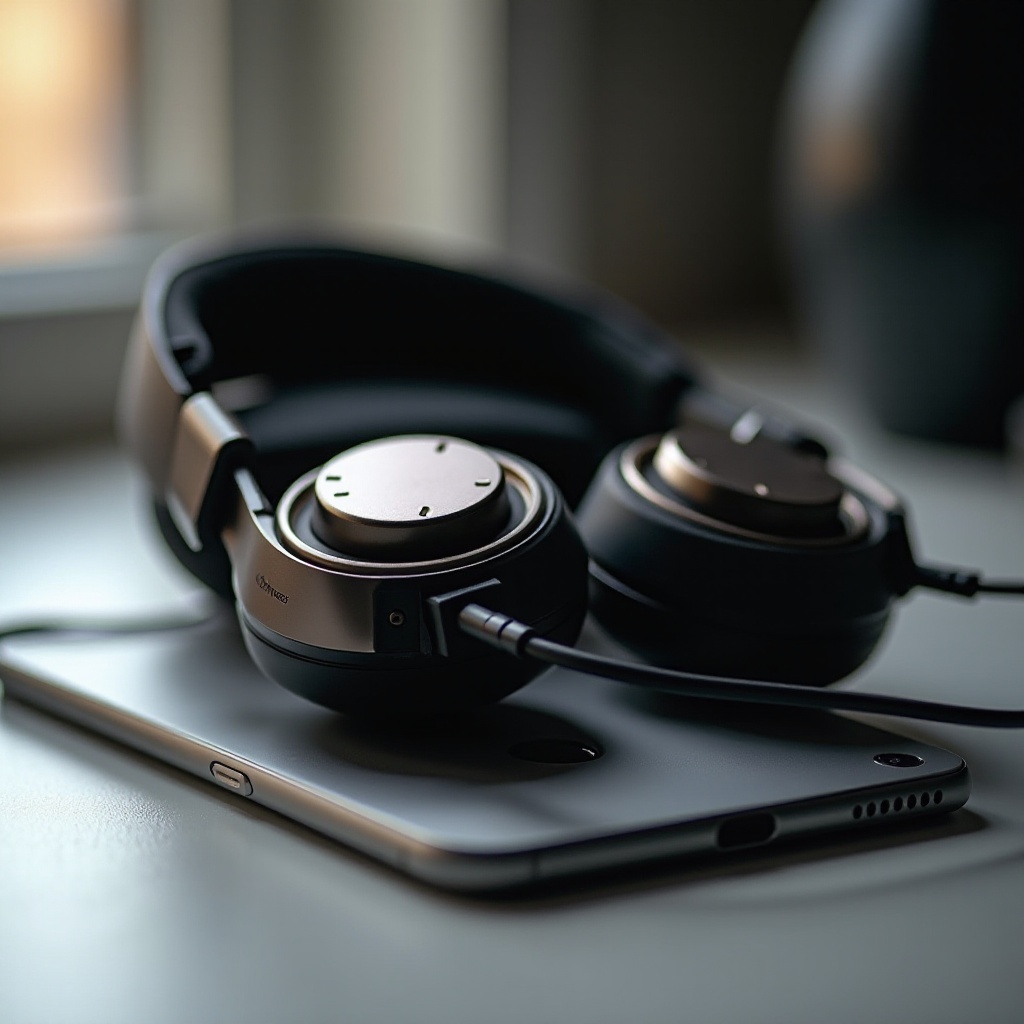
Tips for Maintaining Your Corded Headphones
To ensure your headphones last and perform well, incorporate these simple maintenance tips:
-
Proper Storage Practices: Store your headphones in a protective case to avoid physical damage. Avoid wrapping the cord too tightly, as this can stress the internal wiring.
-
Cleaning and Care: Regularly clean the ear pads and connectors with a soft, dry cloth to prevent dirt buildup that might affect sound quality.
-
Avoiding Common Damages: Handle your headphones with care, avoiding unnecessary tension on the cord and exposure to moisture, both of which can lead to functional issues.
Conclusion
Corded headphones remain a reliable and valuable choice for iPhone 16 users who appreciate sound quality and dependability. By understanding the iPhone 16’s connectivity options, exploring top models, and maintaining your headphones, you can enjoy a premium audio experience. Whether for music, calls, or gaming, corded headphones offer versatility and performance that meets a range of needs and preferences.
Frequently Asked Questions
Can I use traditional 3.5mm headphones with the iPhone 16?
Yes, traditional 3.5mm headphones can be used with iPhone 16 via a lightning to 3.5mm adapter.
What are the best brands for corded headphones compatible with iPhone 16?
Top brands for corded headphones compatible with iPhone 16 include Sennheiser, Audio-Technica, and Bose.
How do corded headphones compare with wireless in terms of audio quality?
Corded headphones often deliver superior audio fidelity due to their direct connection, eliminating compression issues that can affect wireless sound quality.