
Introduction
The Honda Prologue, an electric vehicle (EV) from a renowned automaker, holds much promise for environmentally conscious drivers. With many EV enthusiasts keen on understanding potential benefits, a significant interest lies in determining whether the Honda Prologue qualifies for tax credits. This blog aims to explore EV tax credits, the car’s features, criteria for eligibility, and what potential buyers can expect financially.
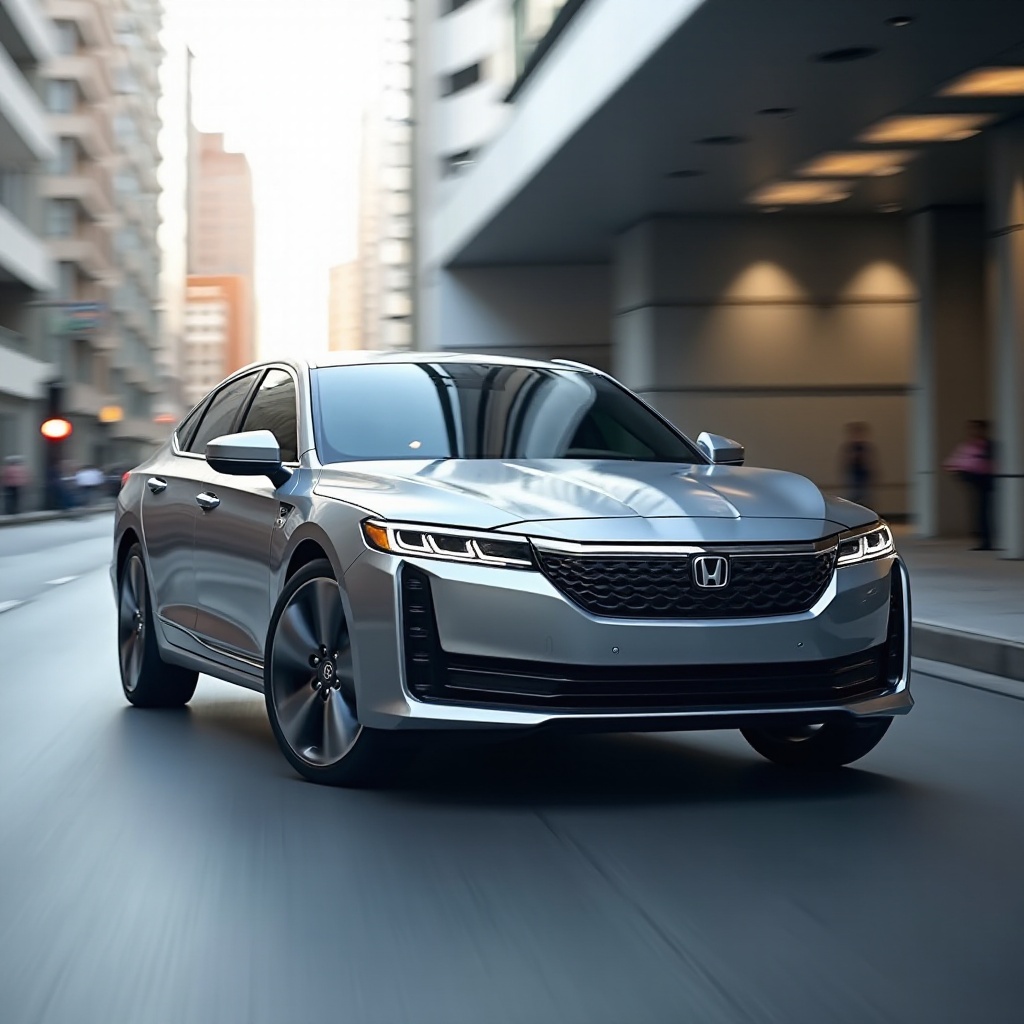
Understanding EV Tax Credits
Electric vehicle tax credits provide substantial financial relief for new buyers. Established to incentivize the adoption of cleaner transportation, these credits can offset the purchase cost of EVs. Federally, EV tax credits have been a cornerstone in promoting electric mobility, making it more accessible to the average consumer.
The federal tax credit for EVs typically caps at $7,500, depending on battery capacity and the car’s manufacturer. Additionally, some states offer their own incentives, adding to the financial benefits. However, these credits come with prerequisites, which each model, like the Honda Prologue, must meet to qualify.
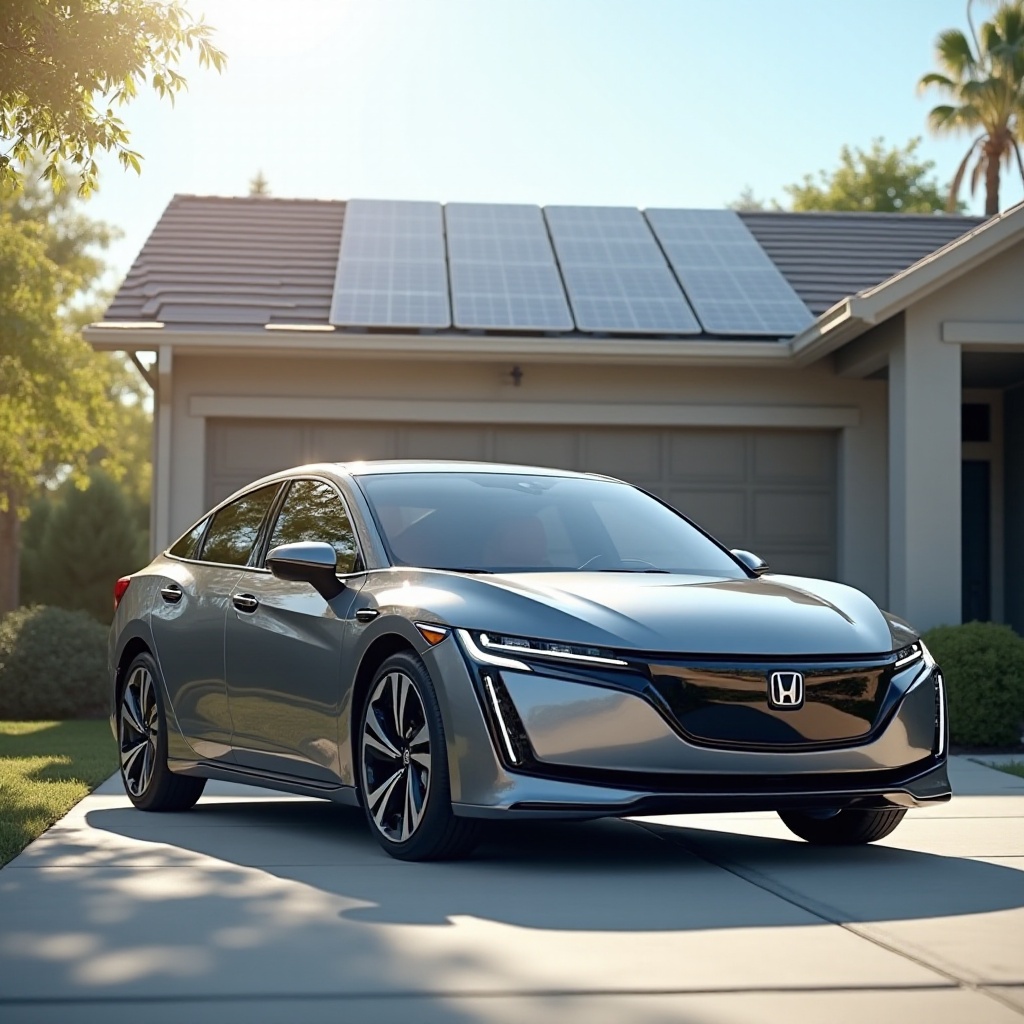
Key Features of Honda Prologue
The Honda Prologue is designed as a versatile, reliable EV for a broad audience. Here are some of its key characteristics:
- Efficient Battery System: Offers extended range and durability.
- Advanced Safety Features: Includes adaptive cruise control, lane-keeping assist, and advanced emergency braking.
- Eco-friendly Performance: With zero emissions, this EV aligns with the goals of reducing carbon footprints.
- Modern Technology Integration: The Prologue boasts a user-friendly infotainment system, wireless connectivity, and smart navigation.
These attributes not only enhance user experience but also play a role in the car’s eligibility for various EV incentives.
Criteria for EV Tax Credit Eligibility
To understand if the Honda Prologue qualifies for tax credits, one must comprehend the criteria needed for eligibility:
- Battery Capacity: To receive the federal tax credit, an EV must have a battery capacity of at least 5 kWh.
- Manufacturer Cap: The credit is phased out after an automaker sells 200,000 qualifying vehicles.
- Compliance with Regulations: Both vehicle and the buyer must adhere to specific tax regulations.
- Assembly and Purchase Date: When and where the vehicle was assembled and bought can affect eligibility.
- Price Cap: Some credits may apply only if the EV’s price falls below a certain threshold.
By meeting these standards, the Honda Prologue could potentially be eligible for federal and state incentives.
Analyzing Honda Prologue’s Tax Credit Eligibility
How does the Honda Prologue match up against these criteria? Let’s break it down:
- Battery Capacity: The Prologue’s high-capacity battery surpasses the minimum requirement of 5 kWh.
- Production and Sales: As a newer model, it has not yet hit the 200,000 sales cap which would phase out tax credits.
- Compliance: Honda has a reputation for adhering to federal safety and performance standards.
- Purchase Timing and Assembly Location: Buyers will need to ensure they check manufacturing details and purchase dates, as these factors can impact credit eligibility.
Considering these points, the Honda Prologue seems well-placed to qualify for the tax credits. Nonetheless, it is vital to stay informed about regulatory changes that could alter eligibility.
State-Specific Tax Incentives
In addition to federal tax credits, state-specific incentives can further reduce the cost of an EV. States such as California, New York, and Colorado offer financial incentives for EV purchases, which may include rebates, additional tax credits, or state grants.
For instance, California’s Clean Vehicle Rebate Project (CVRP) provides rebates up to $2,000 for eligible EVs. Checking your state’s specific programs can optimize your savings when purchasing a Honda Prologue.
Financial Benefits for Honda Prologue Buyers
The financial perks of purchasing an EV like the Honda Prologue extend beyond just tax credits:
- Initial Cost Reduction: Federal tax credits can significantly lessen the purchase cost.
- Fuel Savings: EV owners save on fuel since electricity is generally cheaper than gasoline.
- Maintenance Savings: EVs often have lower maintenance costs due to fewer mechanical components.
These factors collectively enhance the financial feasibility of owning a Honda Prologue.
Conclusion
Given its advanced features and alignment with eligibility standards, the Honda Prologue is likely to qualify for federal and state tax credits. Buyers should research both federal criteria and state-specific incentives to make an informed decision. The financial benefits from tax credits, fuel, and maintenance savings further highlight the value of this impressive EV.
Frequently Asked Questions
What are the current federal EV tax credit requirements?
Federal EV tax credits require a battery capacity of at least 5 kWh, compliance with regulations, and the vehicle must not exceed the manufacturer’s sales cap.
Are state-specific incentives available for the Honda Prologue?
Yes, various states offer incentives ranging from rebates to additional tax credits for EV purchases. Check your local state regulations for specific benefits.
How can I confirm if the Honda Prologue qualifies for tax credits?
Confirm by checking the latest updates from the IRS and state energy departments, and consult with a Honda dealership for detailed eligibility information.